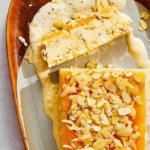


A customer once sent back a bufalina at our place because “the cheese isn’t melted properly.” The pizzaiolo — a man who treated buffalo mozzarella with the reverence other people reserve for religious relics — walked to the pass, looked at the pizza, declared it perfect, and made me carry it back out with instructions to explain. The explanation is the entire dish, and it’s this: buffalo mozzarella isn’t supposed to melt like pizza cheese. It’s supposed to slump — soft, milky, barely holding shape, cool-hearted against the hot tomato — and if it’s stretching in strings like a commercial, someone has cooked the soul out of it. The customer listened, took a bite, went quiet, and ordered a second one for the table. Vindication has never tasted so much like buffalo milk.
The bufalina is the margherita’s aristocratic sister: tomato, buffalo mozzarella, fresh basil. On paper it’s one substitution. In the kitchen it’s a different discipline, because mozzarella di bufala is a wilder, wetter, more fragile ingredient than fior di latte — and the whole art of the bufalina is refusing to treat it like ordinary cheese.
What makes buffalo mozzarella worth the fuss
Water buffalo milk is nothing like cow’s milk — nearly twice the fat, more protein, blindingly white — and the mozzarella made from it is richer, tangier and creamier than fior di latte, with a faint sour-milk edge that cuts through tomato like a squeeze of lemon. The benchmark is Mozzarella di Bufala Campana DOP, from the herds around Naples, and imported tubs of it sit in the fridges of good Australian delis and the fancy cheese corner of the bigger supermarkets.
But here’s the Australian angle worth knowing, and one of my favourite facts in this whole cuisine: we make genuinely excellent buffalo mozzarella here. There are real water buffalo herds in this country, and producers in Victoria and NSW turning their milk into mozzarella that’s days old instead of weeks-shipped — and with buffalo mozzarella, freshness beats provenance. A locally made ball produced this week will out-eat a DOP ball that’s been in transit for three. Ask your deli or cheesemonger what buffalo mozzarella they have and how fresh; that question does more for your bufalina than any other decision.
Position, plainly: the bufalina is a special-occasion pizza and should be treated like one. Buffalo mozzarella costs two to three times what fior di latte does, and putting it on a pizza loaded with other toppings is buying a good seat and watching the game on your phone. Tomato, bufala, basil, oil. Let the expensive ingredient be the event.
The technique: protect the cheese from your own oven
Here’s what’s actually happening, and why my first home bufalina was a flooded disaster with grey, deflated cheese.
Buffalo mozzarella holds even more water than fior di latte, and holds it more loosely — the curd is softer, the structure more delicate. Give it the full 8–10 minutes of a home-oven bake and two things go wrong at once: it releases its water in a milky flood that swamps the centre (the soggy-middle problem from the garlic pizza post, at double strength), and its fragile proteins overcook, turning the cheese from lush to rubbery-grainy while the puddle spreads. In Naples’ 90-second ovens, bufala barely has time to warm through — which is the texture the whole dish is designed around. Your oven needs three times longer to cook the base. The cheese and the crust are on different clocks.
The professional fix is beautifully simple: run them on different clocks.
- Drain like you mean it. Tear the bufala into large chunks — big pieces shed less water than shreds and stay creamy at the centre — and let them sit on a triple layer of paper towel for at least an hour, gently pressed with more towel on top. This is stricter than the fior di latte routine, because there’s more water to lose.
- Bake the pizza mostly naked. Sauce and dough go into the oven alone for the first 5–6 minutes — the crust puffs, blisters and sets with nothing wet weighing down the centre.
- Add the bufala for the final 3 minutes only. Just long enough to warm through and slump into soft white islands. Out of the oven it should look draped, not melted — matte, gently collapsed, weeping only slightly. (The full purist alternative, which some of Naples’ best rooms use: torn cold bufala straight onto the finished hot pizza, no oven time at all. Try it on your second one and pick your church.)
Pizza bufalina
Makes 2 pizzas
Dough — the house overnight dough
- 400 g bakers flour, 260 ml lukewarm water, ¼ tsp instant dried yeast, 8 g fine salt
Topping
- 1 × 400 g tin whole peeled tomatoes (San Marzano if available), half-drained, crushed by hand with salt — raw, exactly per the margherita; the sauce law doesn’t change for royalty
- 2 balls buffalo mozzarella (about 250 g) — the freshest you can find, local or DOP, torn large and drained a full hour
- A generous handful of fresh basil leaves
- Your best olive oil
- Flaky salt
Method
- Dough the night before: mix, knead 5 minutes, 2 hours on the bench, fridge overnight. Two hours before baking, divide and warm, covered.
- Oven to maximum, stone/steel/upturned tray preheating 30 minutes. With bufala’s extra water in play, surface heat is even less negotiable than usual.
- Crush and salt the tomatoes. Tear and drain the bufala — start this before anything else; the hour is real.
- Stretch the first ball to 30 cm on floured baking paper, rim untouched. Sauce in a thin, sparse spiral — even sparser than the margherita, because the cheese will bring its own moisture no matter how well you’ve drained it. Two or three basil leaves onto the sauce. Nothing else.
- Bake 5–6 minutes, until the rim is puffed and taking its first leopard spots and the sauce has gone from wet to sizzling.
- Slide the pizza out, working fast: arrange the drained bufala chunks across it in islands, gaps everywhere. Back in for 3 minutes, until the cheese has slumped soft and glossy-matte with maybe one bronzed tip — no further. Strings and full melt mean it went too long; you’re warming a fresh cheese, not cooking a topping.
- Out: the rest of the basil torn over, a confident thread of your best oil, a few flakes of salt on the cheese itself — bufala is seasoned gently in the making and loves the top-up. One minute’s rest, cut, and eat while the contrast is alive: hot blistered crust, warm bright tomato, cool-hearted milky cheese. That three-temperature bite is the dish.
Chef’s notes — the honest bits
If your centre flooded anyway: the drain was rushed, the chunks were too small, or the cheese went in at the start. It’s the third one 9 times out of 10, because every instinct from every other pizza says “cheese goes on before the oven.” Retrain the instinct. This pizza is the exception that’s worth it.
Don’t refrigerate the bufala right up to the moment of use. Take it out of its brine 90 minutes ahead (draining time covers this) — fridge-cold buffalo mozzarella is muted and squeaky, and its flavour blooms at room temperature. Same rule as good cheese anywhere, forgotten the moment a pizza is involved.
The leftover ball problem is not a problem: buffalo mozzarella with tomatoes, basil, oil and salt is a caprese, which means a two-ball tub bought for pizza night is also tomorrow’s lunch. In January, with real summer tomatoes, the caprese might quietly beat the pizza. I said what I said.
Weeknight honesty: this is not the Tuesday pizza. The margherita with fior di latte is the Tuesday pizza, and it’s glorious. The bufalina is for the night someone’s coming over, the tomatoes are good, and you’ve got an hour to let cheese sit on a paper towel like it’s being paid to. Occasion food, cooked at home — that’s the whole point of it.
The brine in the tub is worth a taste before you tip it — genuinely fresh bufala sits in liquid that tastes cleanly of milk. If the brine tastes sour and sharp, the cheese is past its best, and your deli should hear about it politely.
Drain it hard, bake the base first, three minutes for the queen, basil and oil at the end. Not melted — slumped. Carry that word to the table and you’ll never send one back.