
Italy is home to hundreds of pasta shapes — more than 300 by most counts — and each one tells you something about the region it came from. Pasta isn’t just food there; it’s heritage. For centuries it’s been the staple that families gather around, and the shape, the sauce, and the technique all shift as you travel the peninsula. That variety is the whole point: a pasta made one way in the north is a different dish entirely by the time you reach the south.
What ties it all together is the Italian approach — good ingredients, treated simply, made with care. Proper pasta starts with durum wheat semolina, and the difference between a shape that’s cooked and sauced correctly and one that isn’t is the difference between “nice” and unforgettable. Here are eight classics worth knowing, where they come from, and how they’re traditionally served.
1. Spaghetti
The one everyone knows. Long, round strands of durum wheat semolina, and the backbone of countless dishes — with tomato, with vegetables, or with a slow-cooked meat sauce. There’s a north–south split worth noting: the south leans toward dried spaghetti, the north often toward fresh. Simple, endlessly adaptable, and the natural starting point for anyone cooking Italian at home.
2. Ravioli
Little parcels of pasta — usually squares — stuffed with meat, cheese, or vegetables and sealed. The dough is a simple egg, flour, and water mix; the filling is where regions show off. It has strong roots in the north (Lombardy), but you’ll now find ravioli, and its cousins, all over Italy, each area with its own filling and sauce.
3. Penne
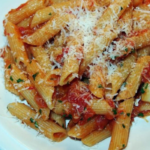
Named for the pen: those angled, cylindrical tubes look like an old quill nib, which is where “penna” comes from. The ridged surface and hollow centre are built to grab sauce, which is why penne works so well with everything from a simple tomato sauce to a baked dish. Robust, forgiving, and a weeknight favourite for good reason.
4. Macaroni
The short, curved elbow shape. Its bend and hollow make it ideal for baking and for soups — anywhere you want the pasta to hold sauce or melt into something cheesy. Humble, versatile, and the base of comfort dishes the world over.
5. Lasagna
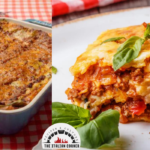
Wide, flat sheets layered up with sauce and baked. Classically that’s a slow ragù, or a béchamel with cheeses like ricotta and mozzarella, built into layers and cooked until it sets. It’s a project dish — the kind you make for a table full of people — and the payoff is worth the effort.
6. Gnocchi
Technically dumplings rather than pasta, but they live in the same world. Soft little pillows — most often potato-based, bound with egg and flour — rolled and marked with a fork, then served with a simple butter-and-sage, tomato, or ragù sauce. Light when made well, heavy and gluey when overworked; the technique matters as much as the recipe.
7. Vermicelli
Close to spaghetti but a touch thicker, these long round strands suit lighter sauces and seafood especially well. A small difference in gauge, but it changes how the pasta carries a sauce — one of those details that shows how precise Italian cooking really is.
8. Cannelloni
Wide tubes, roughly three to four inches long, stuffed with cheese, vegetables, or fish, then baked under sauce. Think of it as ravioli’s larger, bolder relative — generous, rich, and a real centrepiece dish.
What every one of these shares is the Italian philosophy: made from scratch, with good flour and fresh ingredients, and cooked with proper technique rather than shortcuts. Pasta is the heart of Italian cooking, and getting it right at home is more about method than magic. If you’d like to actually cook these — the right shape, the right sauce, the right way — that’s what The Italian Corner is for: authentic pasta, explained clearly and adapted for an Australian kitchen.