
The first tray of cannelloni I ever sent out, half the tubes split down the side and wept their filling into the sauce. I’d packed them like I was stuffing a mattress. The head chef looked at the tray, then at me, and said one word: “again.” He was right. Cannelloni is a forgiving dish that punishes exactly one thing — trying too hard.
Get a few small things right and it’s one of the best ways to feed a table: assemble ahead, bake, carry one dish to the middle of the table, done.
Why this version works
Two problems sink most cannelloni. The tubes split, or they come out dry and crunchy. Both come from the same misunderstanding: dried pasta tubes need moisture from the dish to cook, and an overpacked tube has nowhere to give when the pasta swells. So the whole method here is built around a looser fill and a wetter dish than instinct tells you. That’s it. That’s the trick the recipe is really teaching.
The one technique that matters
Sauce under, sauce over, and don’t pack the tubes.
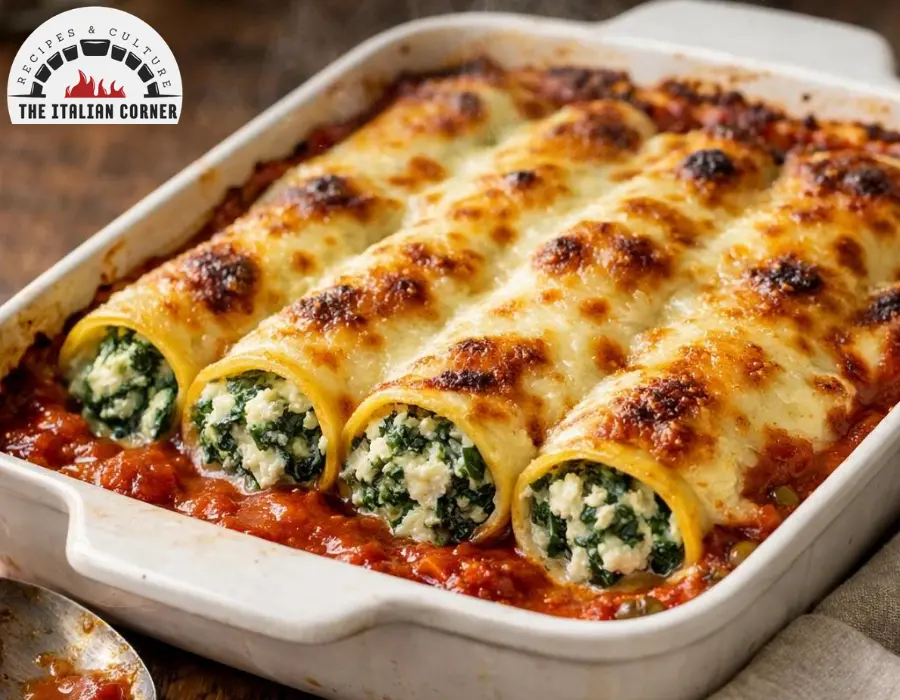
Dried cannelloni go into the oven raw. They soften by stealing liquid from everything around them. Skimp on sauce and the pasta drinks the filling dry instead, and you get cardboard. So: a layer of sauce on the base of the dish before the tubes go in, a generous blanket over the top, and foil on for the first half of the bake to trap steam. Fill each tube about three-quarters — it looks too empty; it isn’t.
Ingredients (serves 4–5)
- 250g dried cannelloni tubes (Coles and Woolies both stock them, dry-pasta aisle)
- 500g fresh ricotta — the tub stuff is fine, but drain it if it’s wet
- 250g frozen spinach, thawed and squeezed properly dry (fresh works too — 400g wilted and squeezed)
- 1 egg
- 50g parmesan or grana padano, grated, plus more for the top
- Nutmeg, a good grating
- Salt and pepper
- 1 ball fresh mozzarella, torn (or grated pizza mozzarella)
For the sauce (keep it simple):
- 2 × 400g tins good crushed tomatoes, or 700g passata (see the passata note below)
- 2 cloves garlic
- Olive oil, salt, a pinch of sugar if the tomatoes are sharp
Australian sourcing note: passata quality swings hard here. The cheapest supermarket ones taste of the tin. Mutti or a similar Italian brand is worth the extra dollar or two in a dish this simple — the sauce is half the plate.
Method
- Sauce first. Gently fry the sliced garlic in olive oil until it just turns pale gold — not brown. Add tomatoes, a pinch of salt, a pinch of sugar. Simmer 15 minutes while you do everything else. Don’t overthink it.
- Filling. Squeeze the spinach until you think it’s dry, then squeeze again — water in the filling is what makes tubes split. Mix ricotta, spinach, egg, parmesan, nutmeg, salt and pepper. Taste it. Under-seasoned ricotta is bland cannelloni.
- Fill. Spoon the filling into a piping bag or a zip-lock with the corner cut. Pipe each tube about three-quarters full. Piping beats a teaspoon every time — cleaner, faster, less splitting.
- Assemble. Spread a third of the sauce over the base of a baking dish. Lay the tubes in a single snug layer. Pour the rest of the sauce over, covering every tube — no bare pasta showing. Scatter mozzarella and parmesan on top.
- Bake. 180°C fan, foil on, 25 minutes. Foil off, another 15–20 until bubbling and golden and a knife slides through a tube with no resistance.
- Rest. Ten minutes out of the oven before you cut in. It sets, and you won’t burn the roof of your mouth. Learned that one the hard way too.
As a Chef’s notes
- Make-ahead: assemble the whole dish, cover, fridge up to a day. Add 10 minutes to the covered bake from cold. This is why it’s such good dinner-party food — all the work is done before anyone arrives.
- Too dry last time? More sauce, and keep the foil on longer. Nearly always the fix.
- Split tubes? You overfilled, or the filling was wet. Three-quarters full, spinach bone-dry.
- Southern-hemisphere note: frozen spinach is your friend here year-round and often better than tired out-of-season fresh. No shame in it.