There’s a moment on every menu I’ve worked where someone asks for the “authentic” version of a dish and means the one with extra cream, extra cheese, extra everything. Traditional Italian food is usually the opposite — fewer ingredients, more care. That gap, between what people think authentic means and what it actually is, is most of what I want to talk about here.
Italian food travelled the world because it’s simple, generous, and hard to dislike. Pizza, pasta, lasagne — they turn up on menus everywhere now. But “turns up everywhere” and “done properly” are two different things, and the difference is almost always technique, not some secret ingredient. Here are the classics worth knowing, and what actually makes each one work.
The dishes that define it
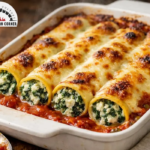
Lasagne. Layers of pasta, a slow beef ragù with tomato and soffritto, béchamel or ricotta, cheese, baked until set. The magic isn’t the assembly — it’s the ragù, cooked low and long. Rush that sauce and no amount of cheese saves it.
Pizza Margherita. Tomato, mozzarella, basil. That’s it, and that’s the test. With this few ingredients there’s nowhere to hide a bad base or a watery tomato. If a kitchen gets margherita right, it can be trusted with anything.
Calamari fritti. Squid, floured, fried fast and hot, served with lemon. Simple, but timing is everything — a few seconds too long and it turns to rubber. Getting it tender is a knack worth learning.
Gamberi piccante. Prawns cooked with chilli, garlic, tomato, salt and pepper — quick, punchy, and about not overcooking the prawns. They’re done the moment they turn opaque and curl; take them further and you’ve wasted good seafood.
Ravioli di zucca. Pumpkin-filled pasta from the north, sweet and savoury at once, traditionally finished with amaretti crumbs and mostarda. It sounds odd to a lot of Australian palates and it’s genuinely one of the great pastas — worth seeking out.
Garlic pizza. Mozzarella, garlic, parmesan, no tomato. The simplest thing on any Italian menu and a good honest side.
Tomato bruschetta. Grilled bread rubbed with garlic, topped with tomato and basil, good oil, salt. A dish that’s entirely about the quality of the tomato — which is exactly why it’s a summer dish, not a year-round one.
Capelli d’angelo con granchio. Angel-hair pasta with crab in a light sauce of lemon, garlic, olive oil, salt and pepper. Delicate, fast, and unforgiving of heavy hands — the sauce should barely coat the strands.
And the sweet end
Italian baking runs deep: a rustic semolina, lemon and rosemary cake, a blood orange loaf, an almond and raspberry buttermilk cake. Most of them lean on olive oil, citrus, and nut flours rather than heavy frosting — restrained, like the rest of the cuisine.
The thread through all of it
Every dish above shares one thing: it’s built from a few good ingredients treated with respect, not buried under additions. That’s what “traditional” actually means — not a place, but a discipline. Get the technique right and you don’t need to gild it.
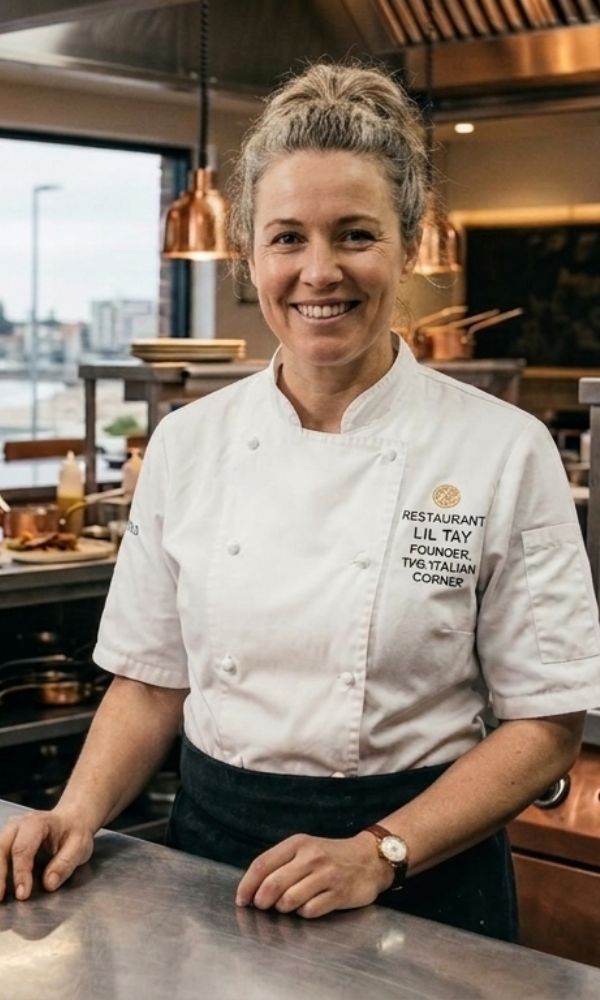
That’s what The Italian Corner is here to help with: real Italian dishes, explained clearly, cooked for an Australian kitchen. Start simple — a proper margherita, a slow ragù — and build from there.